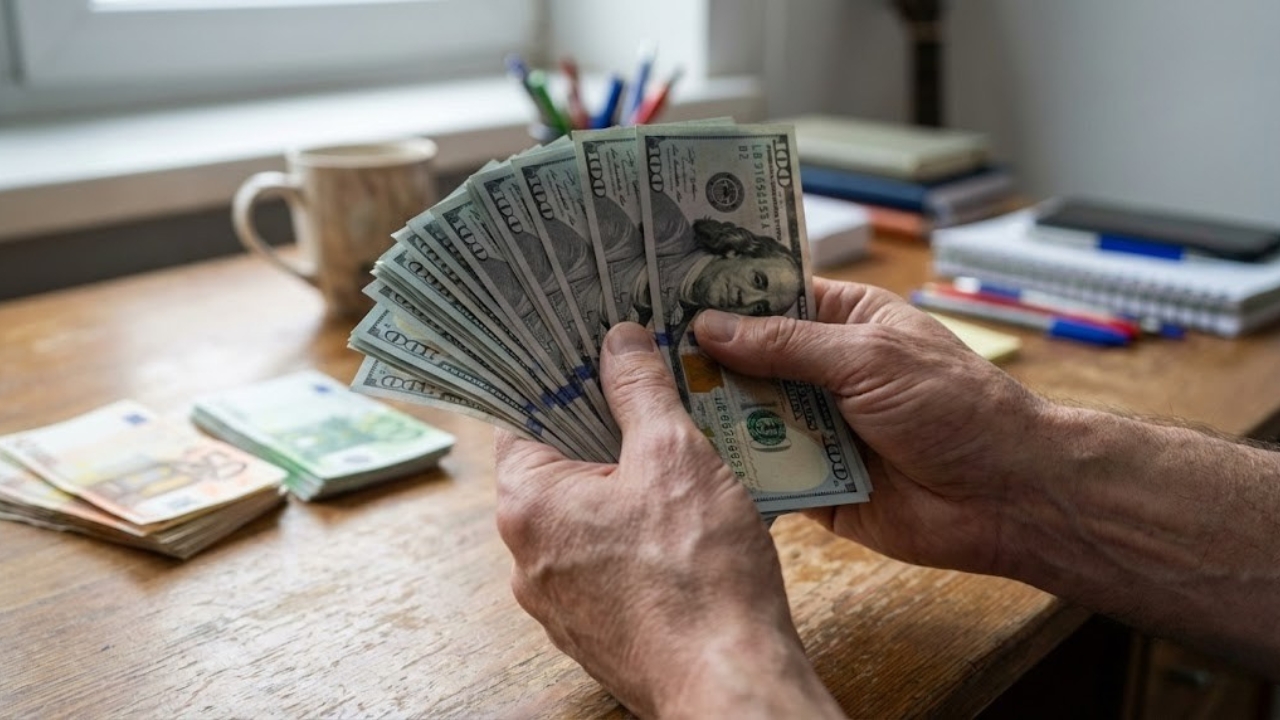
Tax season has traditionally been a time of stress for millions of Americans, with households anxiously calculating their liabilities and hoping for refunds. With the introduction of Trump’s One Big Beautiful Act, however, the narrative has shifted dramatically. This legislation has promised to put more money back into the pockets of everyday citizens, with many families now receiving refunds averaging $1,000. The measure has been hailed as a turning point in tax policy, designed to stimulate consumer spending and ease financial burdens.
Understanding the One Big Beautiful Act
The One Big Beautiful Act was crafted with the intention of simplifying tax codes and ensuring that middle-class families benefit directly. By restructuring deductions and adjusting tax brackets, the Act has created a more favorable environment for taxpayers. The central feature is the guaranteed refund boost, which has become a symbol of financial relief for millions.

Why Refunds Matter to Households
Refunds are more than just numbers on paper; they represent opportunities for families to catch up on bills, invest in education, or simply enjoy a better quality of life. A $1,000 refund can cover several months of utility payments, contribute to a child’s tuition, or even serve as seed money for small business ventures. For many Americans, this refund is not just financial relief but a psychological boost, reinforcing confidence in the economy.
Economic Impact of the Refunds
The ripple effect of these refunds extends far beyond individual households. When millions of families receive additional funds, consumer spending naturally increases. This spending fuels local businesses, strengthens retail sectors, and supports job creation. Economists have noted that such widespread refunds can act as a mini-stimulus package, invigorating the economy during tax season.

Comparing Refunds Before and After the Act
To understand the significance of the Act, it is useful to compare average refunds before and after its implementation.
| Tax Year | Average Refund | Change |
|---|---|---|
| Pre-Act | $650 | – |
| Post-Act | $1,000 | +$350 |
This increase demonstrates the tangible benefits of the legislation, with households experiencing a noticeable difference in their financial outcomes.

Simplification of Tax Filing
Another key aspect of the Act is its emphasis on simplification. Tax filing has often been criticized for its complexity, requiring professional assistance for many families. The Act introduced streamlined forms and clearer instructions, reducing the need for costly tax preparation services. This simplification ensures that more of the refund remains in the hands of taxpayers rather than being spent on filing fees.
Benefits for Middle-Class Families
Middle-class households have been the primary beneficiaries of the Act. By adjusting tax brackets and enhancing deductions, the legislation has ensured that these families see the most significant gains. The $1,000 refund is particularly impactful for this demographic, as it directly addresses common financial pressures such as mortgage payments, healthcare costs, and education expenses.

Encouraging Savings and Investments
While many families use refunds for immediate expenses, the Act has also encouraged savings and investments. Financial advisors recommend that households allocate a portion of their refunds toward emergency funds, retirement accounts, or educational savings plans. This approach transforms the refund from short-term relief into long-term financial stability.
Psychological Boost for Taxpayers
Beyond the financial benefits, the Act has provided a psychological lift for taxpayers. Receiving a larger refund creates a sense of reward and fairness, reinforcing trust in the system. Tax season, once dreaded, is now viewed more positively, with families anticipating the financial boost rather than fearing the burden.

Impact on Small Businesses
Small businesses have also felt the positive effects of the Act. Increased consumer spending translates into higher sales, allowing businesses to expand and hire more employees. Additionally, entrepreneurs who receive refunds often reinvest them into their ventures, purchasing equipment, marketing services, or inventory. This cycle strengthens local economies and fosters innovation.
Addressing Criticism and Concerns
Like any major legislation, the One Big Beautiful Act has faced criticism. Some argue that the refunds disproportionately benefit certain income groups, while others question the long-term sustainability of the policy. However, supporters emphasize that the immediate relief provided to millions of families outweighs these concerns, and adjustments can be made in future revisions.
Taxpayer Stories and Real-Life Examples
Across the country, families have shared stories of how the refunds have changed their lives. A single mother in Ohio used her refund to pay off medical bills, while a young couple in Texas invested in home improvements. These stories highlight the diverse ways in which the refunds are being utilized, underscoring the real-world impact of the Act.
Future Outlook of Tax Policy
The success of the One Big Beautiful Act has sparked discussions about the future of tax policy in America. Policymakers are considering additional measures to build on this momentum, potentially expanding refunds or introducing new deductions. The Act has set a precedent for tax legislation that prioritizes the needs of everyday citizens.
How Families Can Maximize Their Refunds
To make the most of their refunds, families are encouraged to plan ahead. Strategies include:
- Paying down high-interest debt
- Contributing to retirement accounts
- Building emergency savings
- Investing in education or skill development
- Supporting local businesses through purchases
These approaches ensure that the refund delivers lasting benefits rather than being spent impulsively.
Broader Social Implications
The Act has also had broader social implications. By reducing financial stress, families experience improved well-being and stability. Communities benefit from increased spending and investment, while the overall economy enjoys a boost in confidence. The legislation has demonstrated how tax policy can serve as a tool for social progress.
Conclusion: A Season of Opportunity
Tax season has been transformed from a period of anxiety into a season of opportunity. Trump’s One Big Beautiful Act has delivered tangible benefits to millions of Americans, with refunds averaging $1,000. This financial relief has empowered households, stimulated the economy, and reshaped perceptions of tax policy. As families continue to enjoy the rewards of this legislation, tax season is no longer just about obligations—it is about possibilities and prosperity.